Bohumil Eliáš Sr.
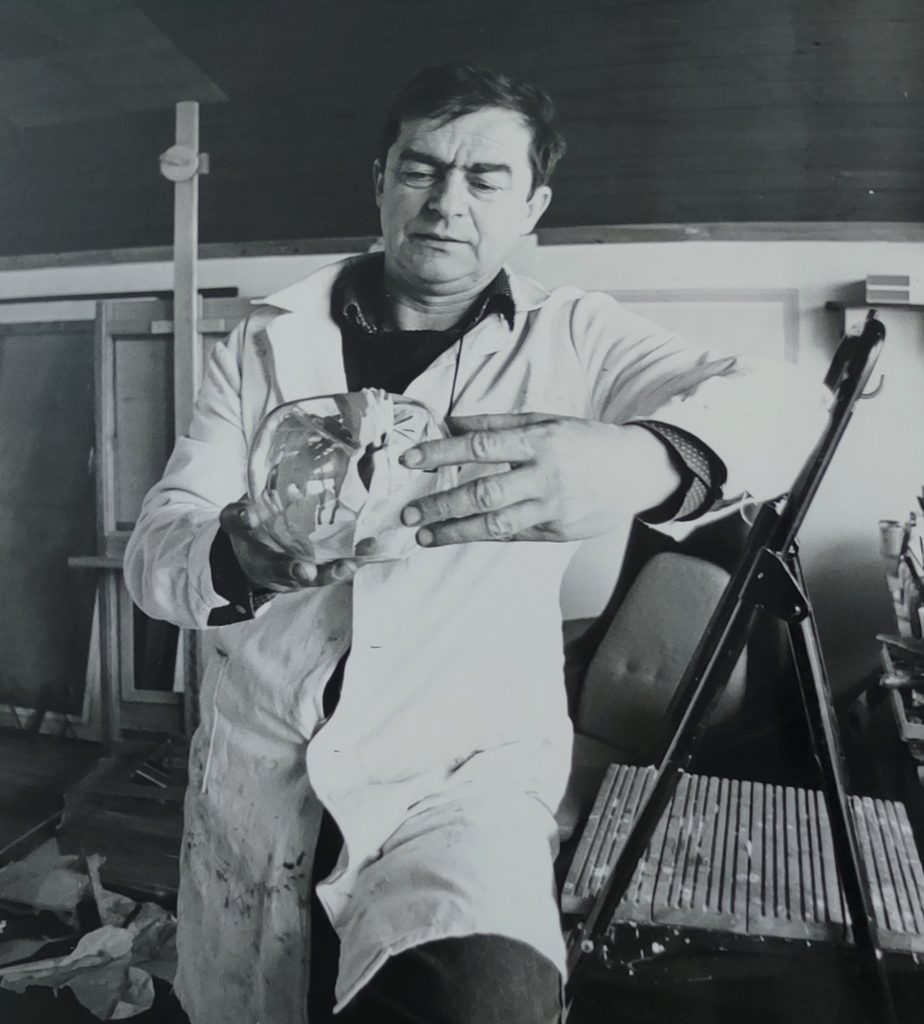
Bohumil Eliáš Sr. (1937–2005) was one of the prominent figures of Czech studio glass in the second half of the 20th century. His path to glass began at the glassmaking school in Železný Brod and continued at the Academy of Arts, Architecture and Design in Prague, where he studied in the studio of monumental painting and glass under Professor Josef Kaplický. Even during his studies, he was already moving between the two worlds that would later define his entire career – painting and glass.
Alongside glass, he devoted himself intensively to painting, drawing and graphic art, and he also worked with architecture over a long period of time. One of his most important early commissions was a monumental glass fountain created for the Czechoslovak pavilion at Expo 67 in Montreal.
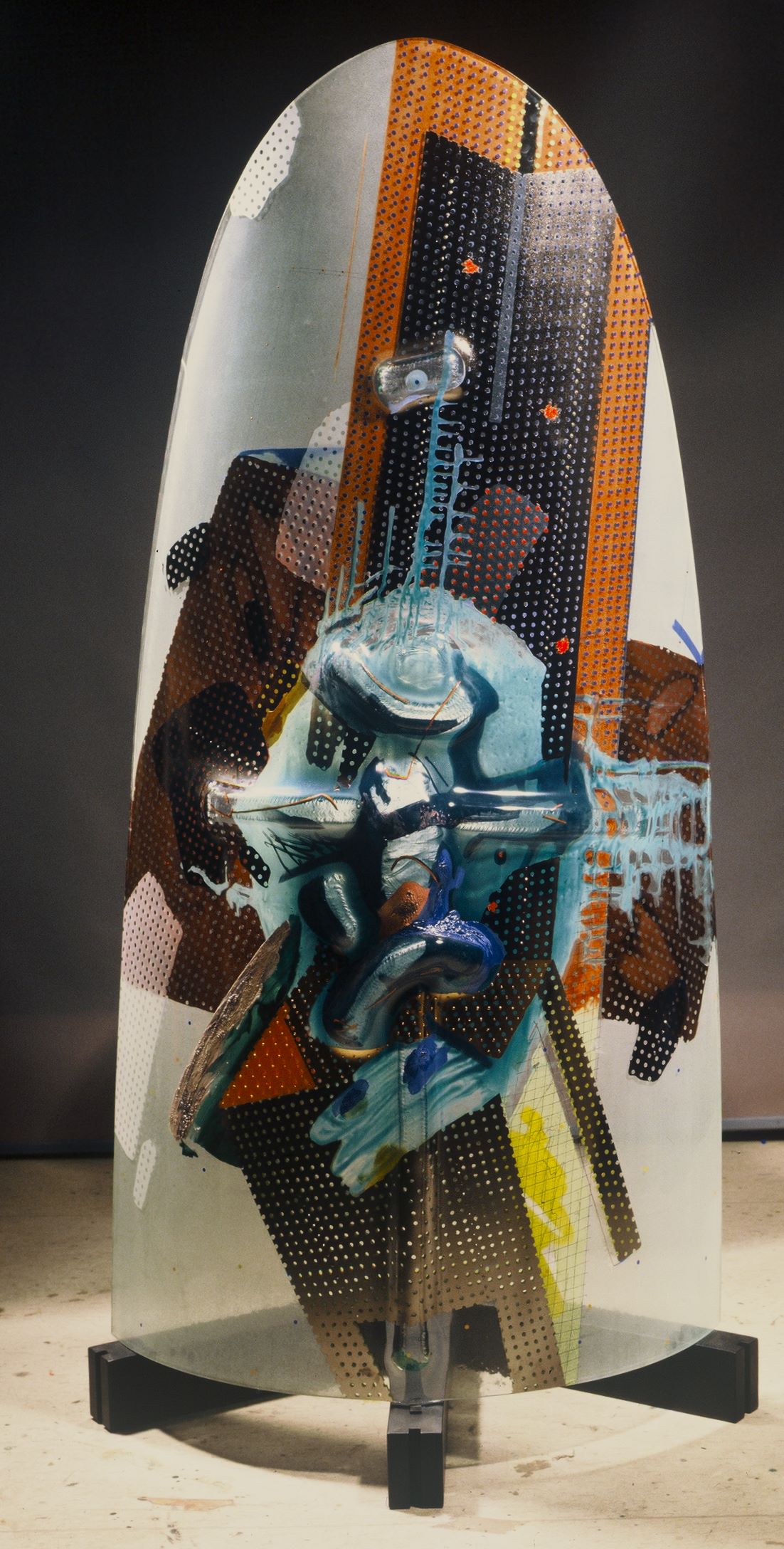
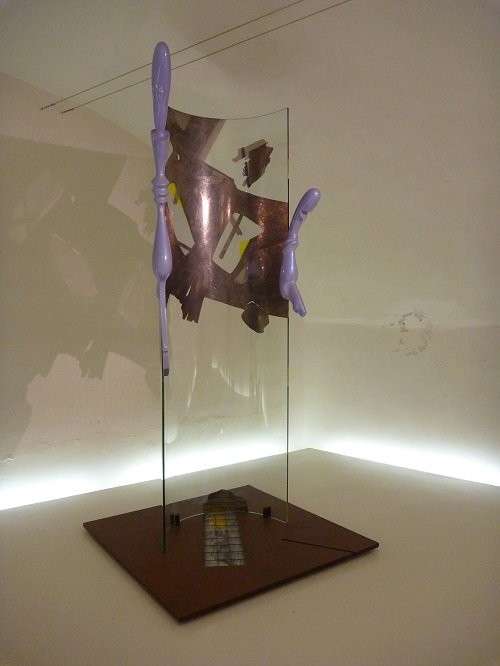
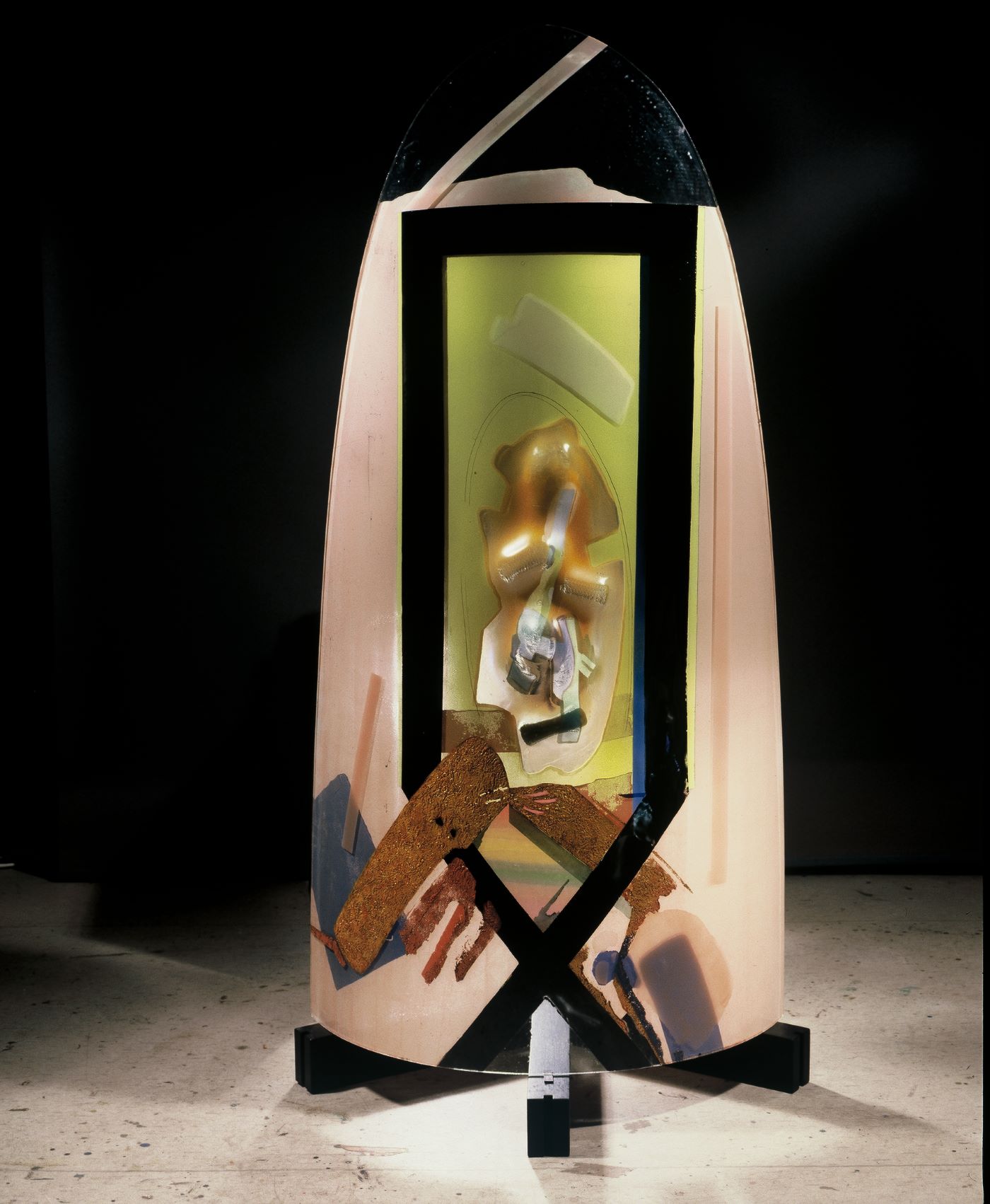
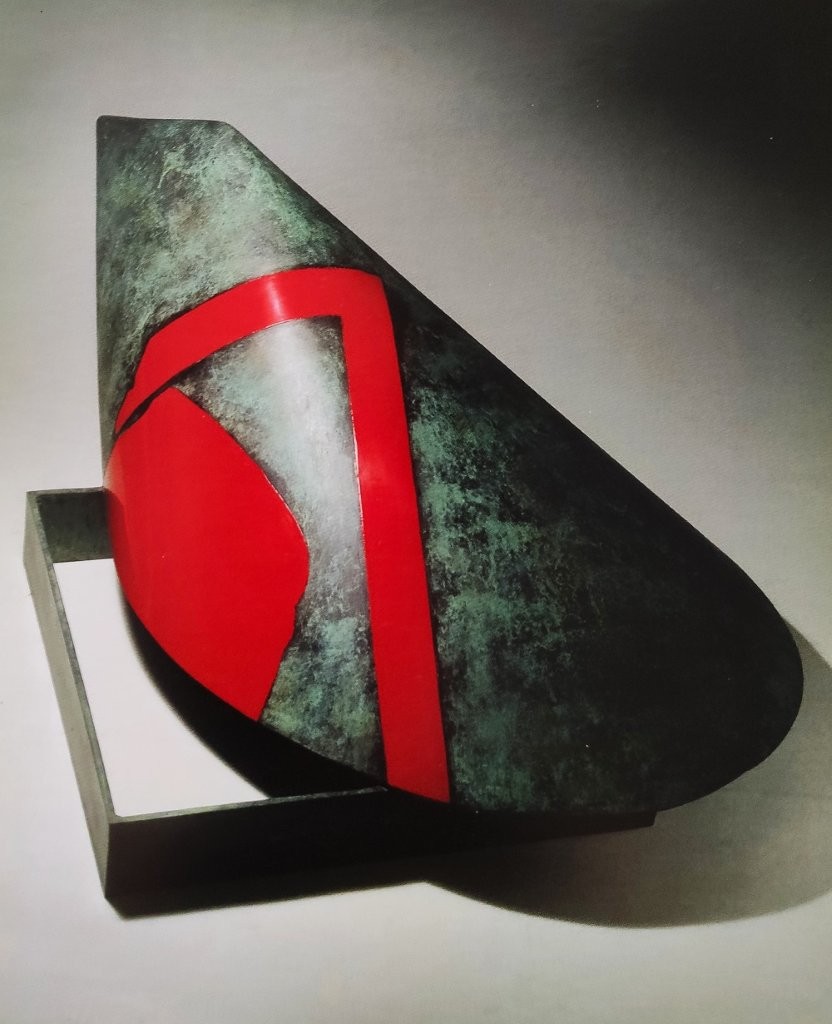
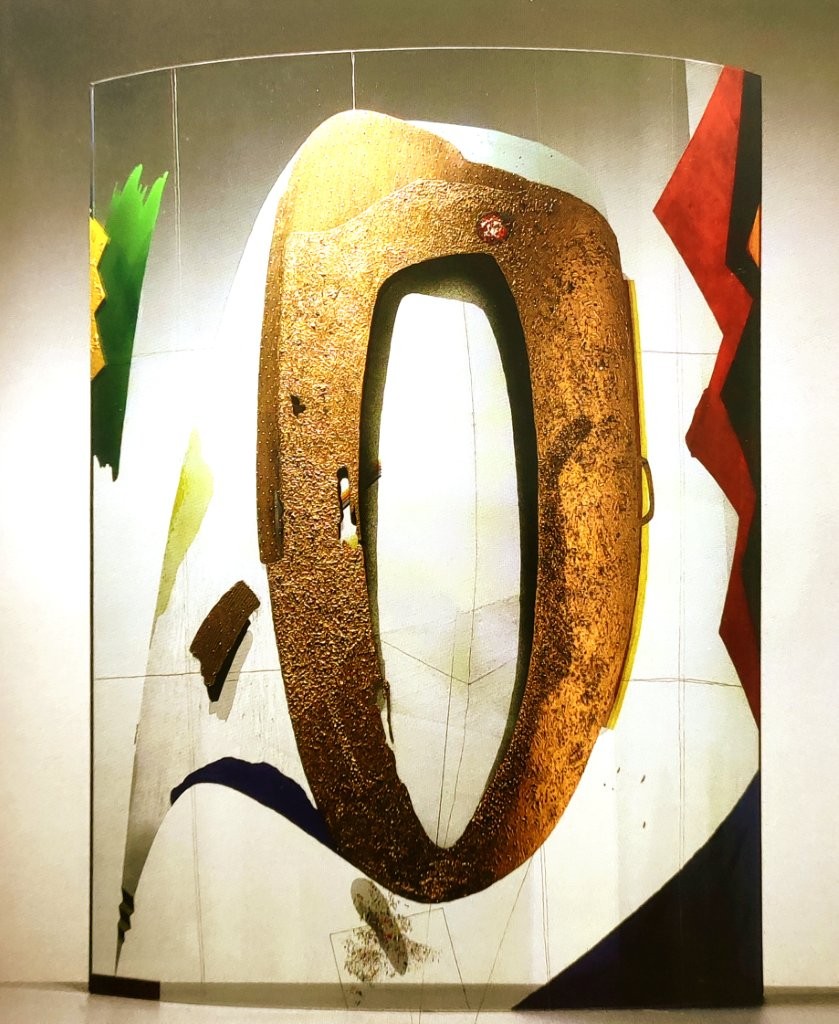
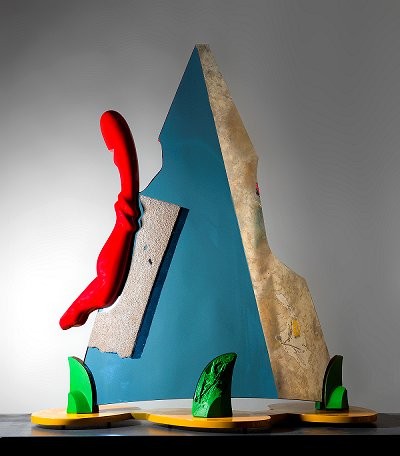
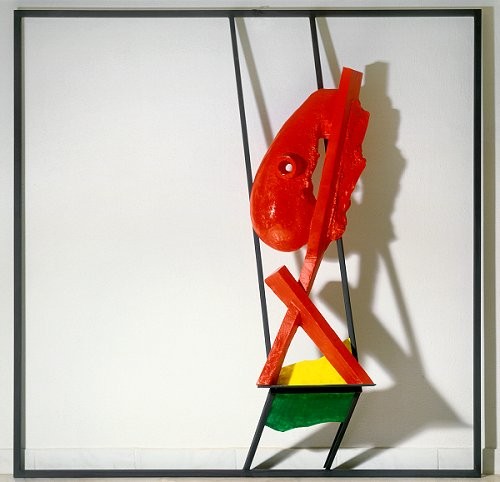
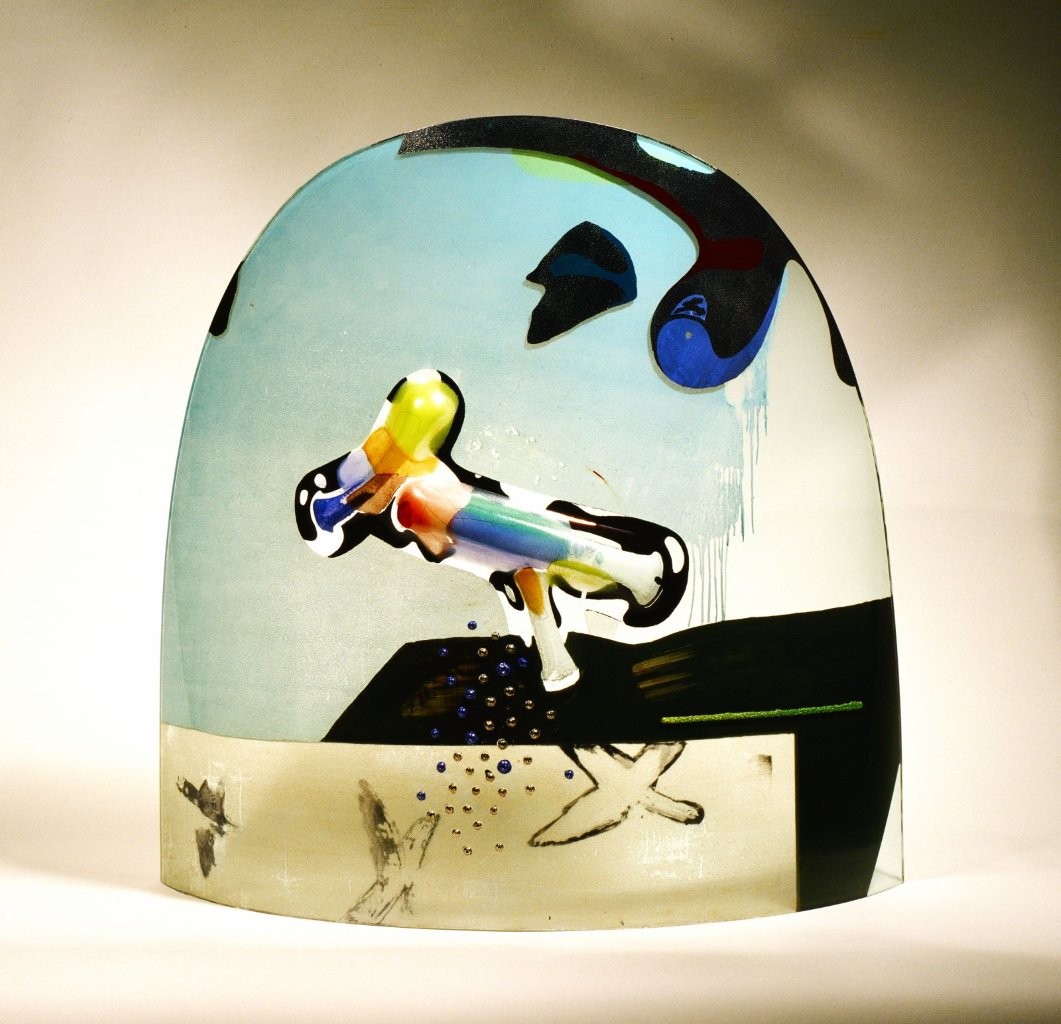
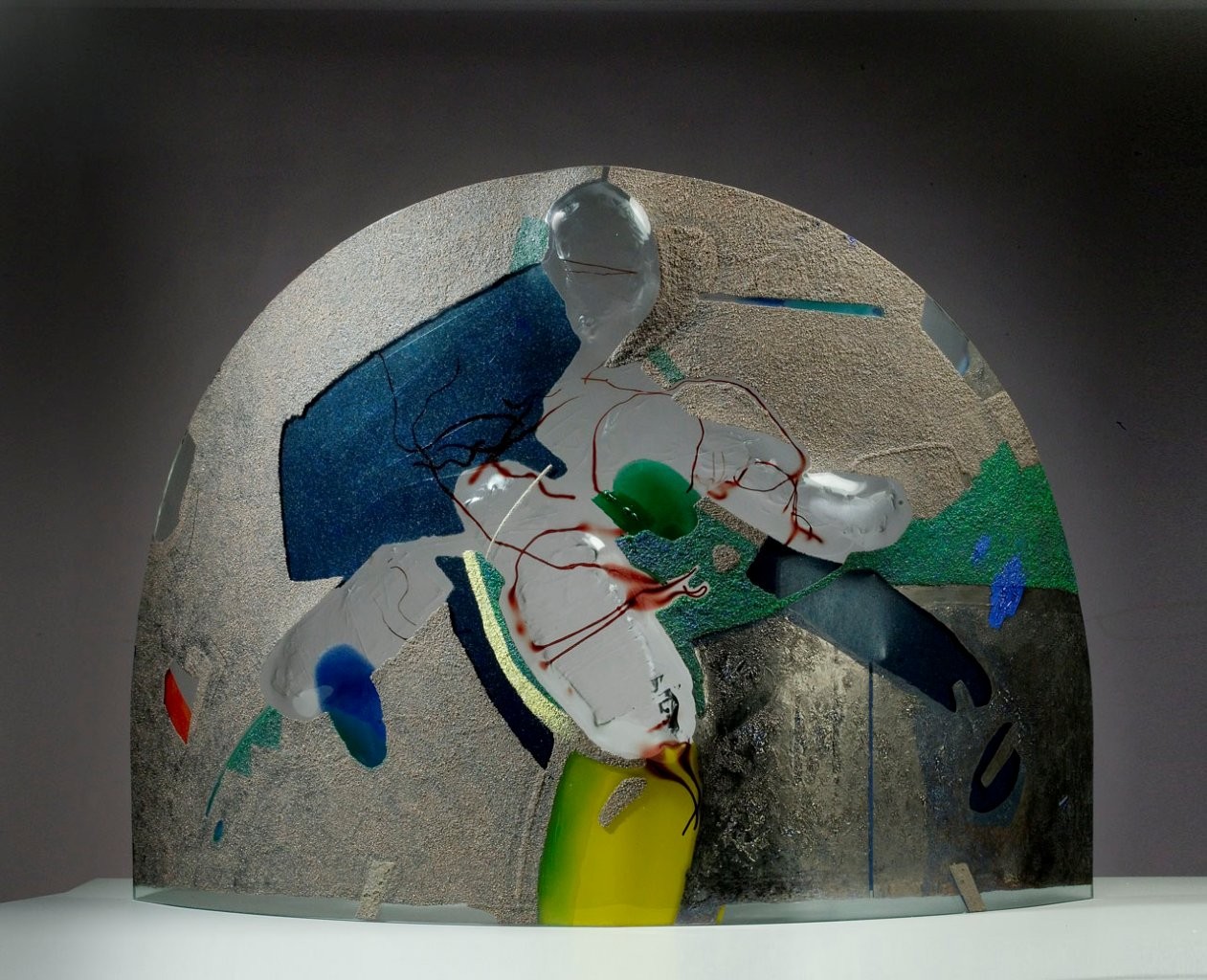
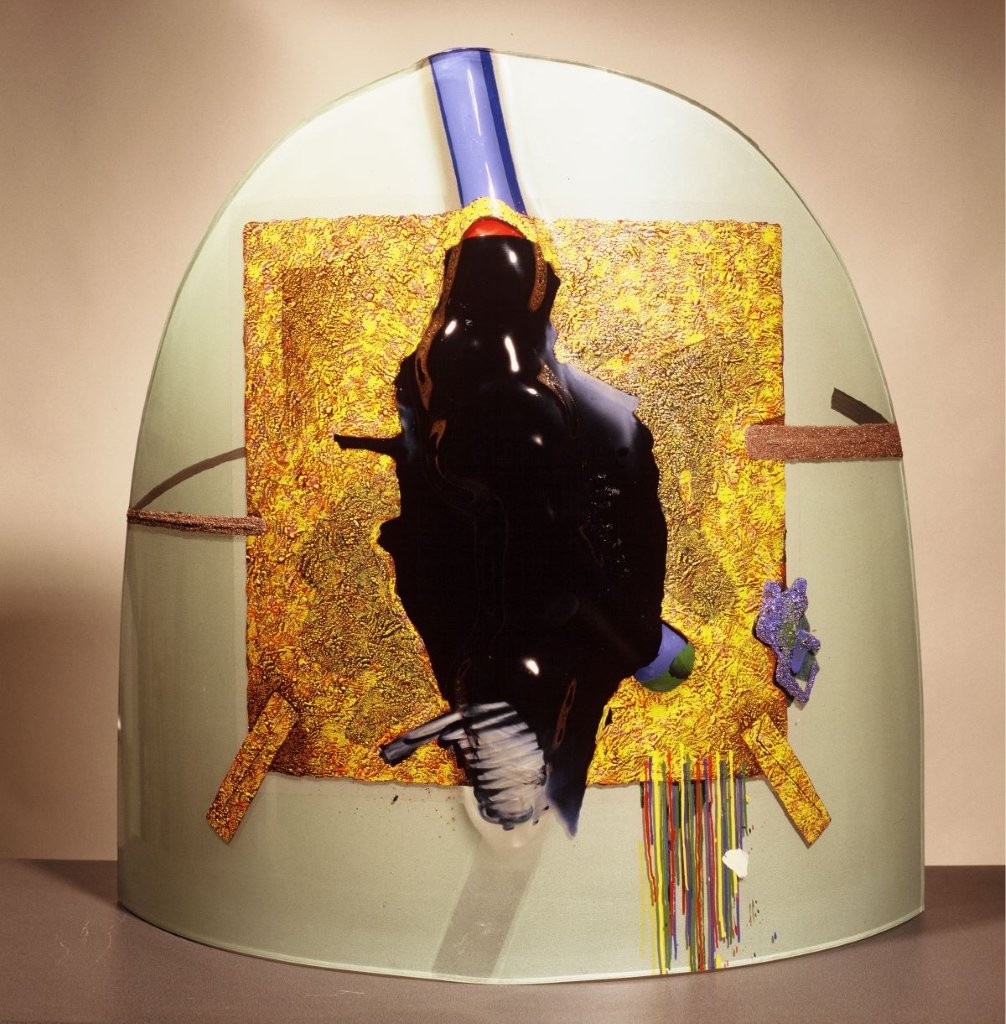
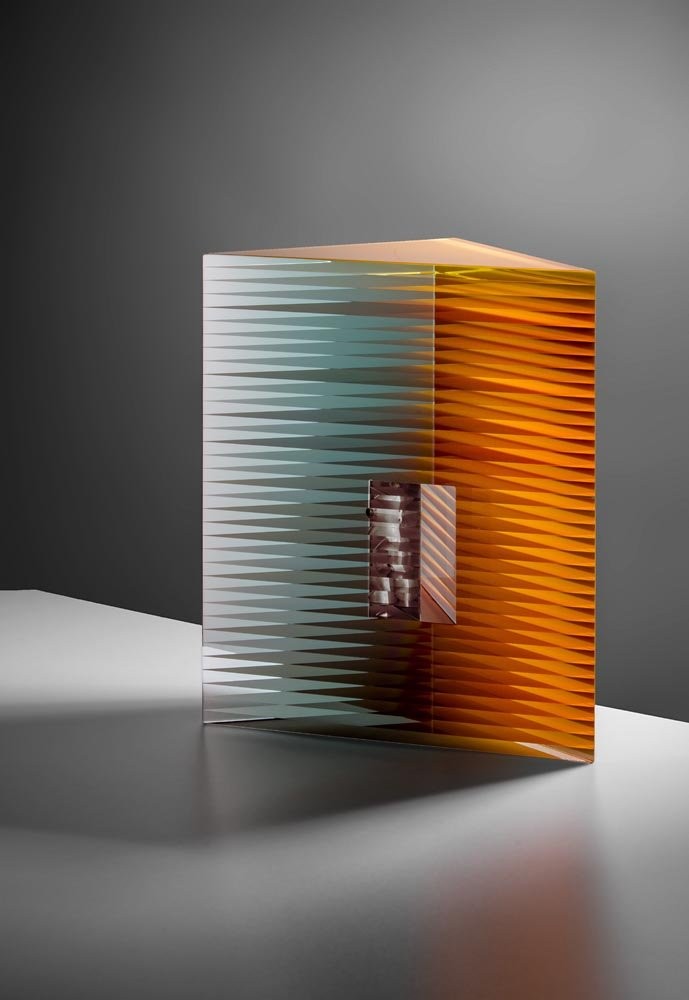
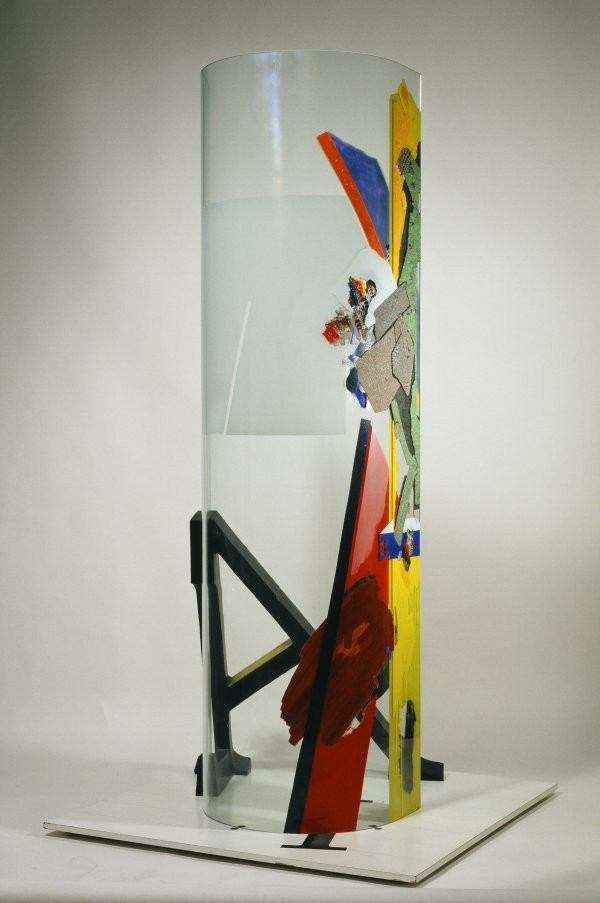
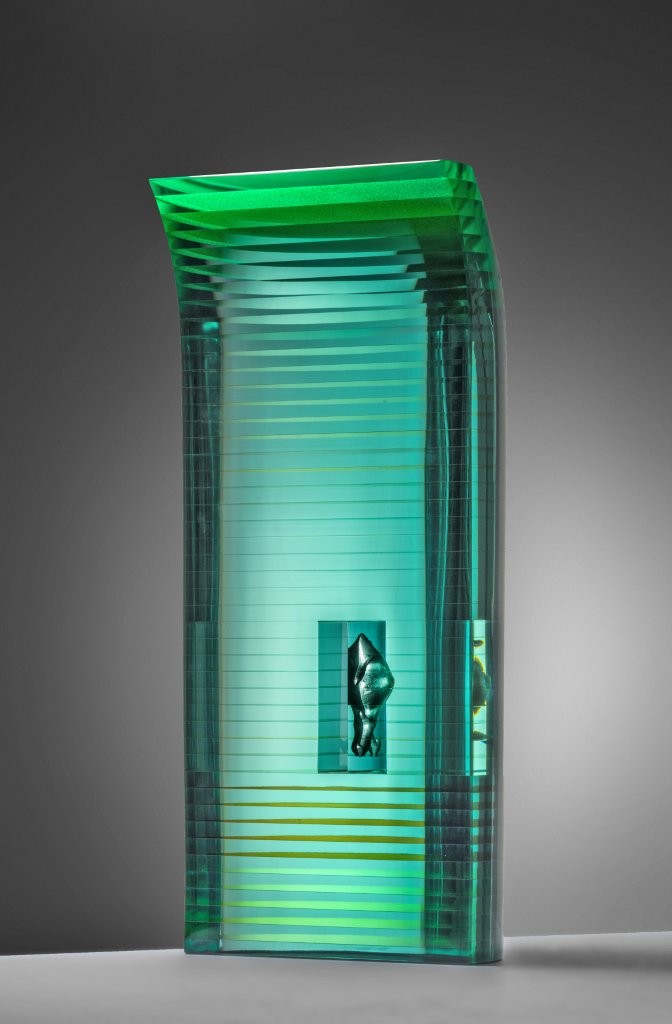
One of the characteristic principles of his work became the use of cut and layered flat glass. From individual layers of glass, he created objects whose final appearance changes according to the viewer’s angle, the light and the surrounding space. Gradually, colour, painting, sandblasting and other materials entered these works, while the originally strict geometry acquired an increasingly pictorial quality. The boundary between glass sculpture, relief and painting became deliberately blurred in his work.
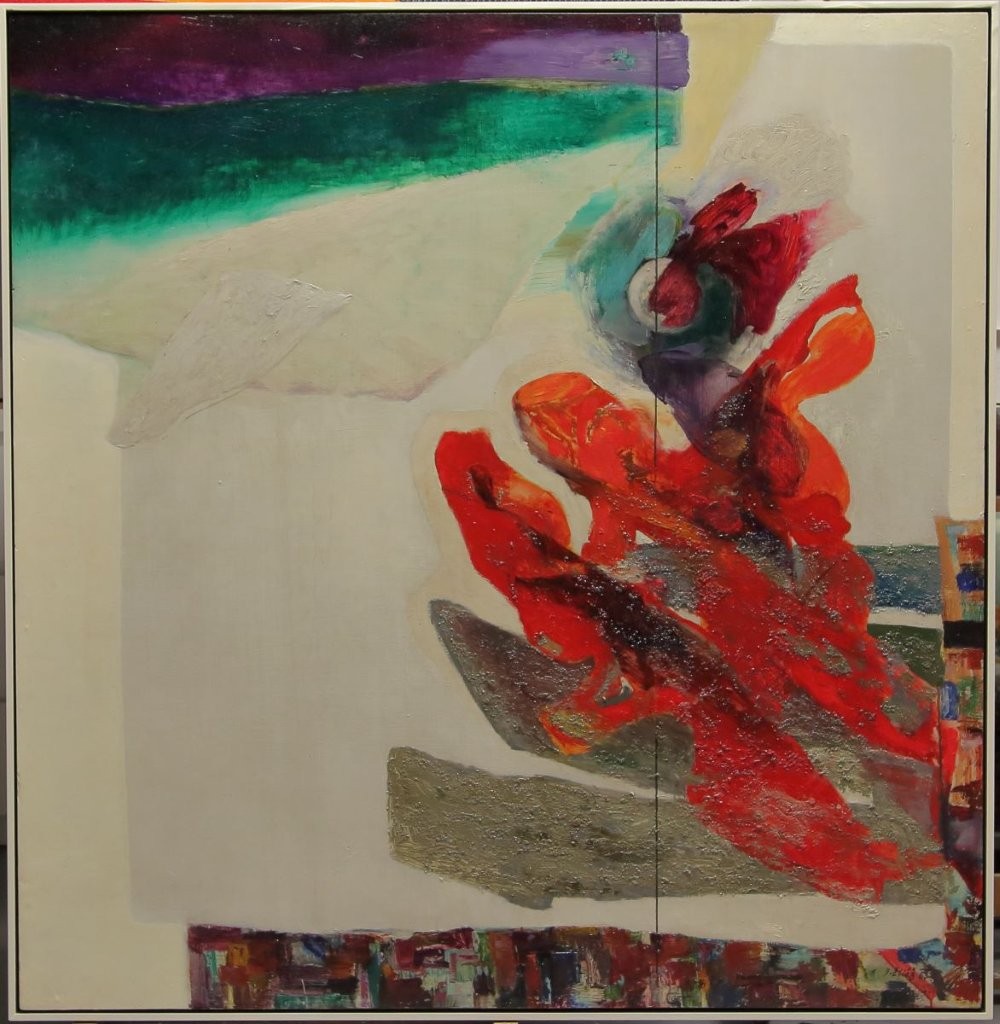
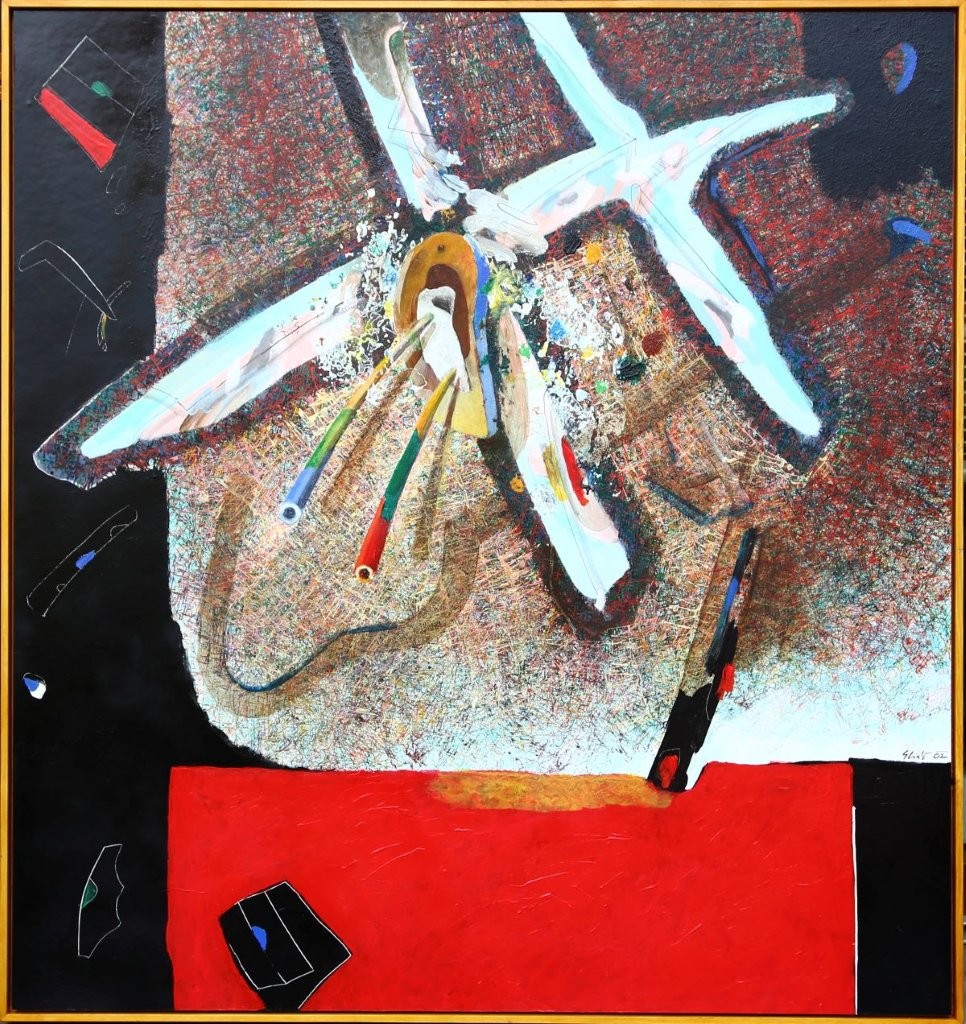
The relationship between painting and glass is fundamental to understanding Eliáš’s work. Motifs he developed on canvas – the human figure, landscape, civilisation, the cosmos, growth and decay – gradually began to appear in glass as well. The transparent material allowed him to work with the image in a different way: to layer it, let light pass through it and give it genuine spatial depth. Glass thus ceased to be merely a support for painting. Image and object gradually merged into a single artistic whole.
Over the course of several decades, Bohumil Eliáš Sr. developed a distinctive visual language in which painting, glass and space met naturally. His works are represented in Czech and international collections and continue to demonstrate how far glass can be taken when it is understood not simply as a material, but as a fully developed means of artistic expression. It is precisely his ability to move between different media while maintaining a clearly recognisable artistic language that forms one of the most distinctive lines of his work.
Selection of Works